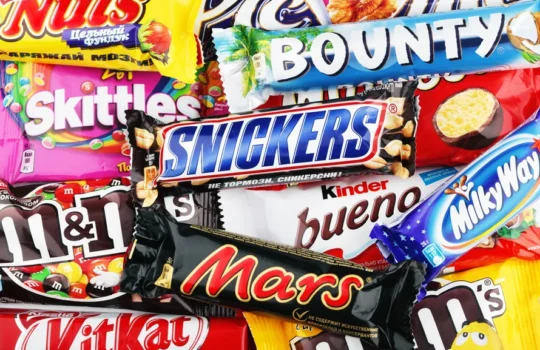
A wholesale chocolate bar assortment should be broad enough to satisfy different shoppers but focused enough to keep stock moving. Retailers often face a long list of brands, flavours, sizes and formats, yet only a portion of those products will become reliable sellers in a specific store.
The most effective approach is to build a core range first, then add controlled trial SKUs around it. This creates choice without turning the shelf into an inventory problem.
Start with the core customer need
Most chocolate bar sales are driven by a small number of missions: immediate consumption, an affordable treat, a familiar favourite, a premium indulgence or a sharing occasion. The assortment should represent those needs before adding novelty.
Buyers can browse available products in the Chocolate category and compare formats in the Shop.
Build a core before adding variety
Core SKUs are the products that justify permanent shelf space because they sell consistently. They may be supported by brand recognition, a popular flavour, a strong price point or a format that fits the store’s customers.
A practical core often includes milk chocolate, one or two nut or wafer options, a dark chocolate choice and a few recognizable branded lines. The exact mix should reflect local demand rather than a generic national bestseller list.
Use trial SKUs to create novelty
Trial products keep the range interesting without permanently expanding it. These may include limited flavours, premium bars, unusual fillings or imported variants. Give each trial SKU a defined evaluation period and opening quantity.
The trial should answer a simple question: does this product earn a permanent place? If weekly sales and margin are strong, it can move into the core. If not, rotate it out.
Plan price tiers
A useful chocolate range normally includes entry, mainstream and premium price points. Customers should be able to trade up or down without leaving the category.
Price tiers also help retailers avoid overloading one part of the market. Too many similar bars at the same price can cannibalize one another and make the shelf harder to shop.
Balance brands and formats
Brand diversity matters, but format diversity can be equally important. A store may need single bars, tablets, multipacks, sharing products and selected gift formats. The right format mix depends on the channel.
Convenience stores may emphasize single-serve bars. Supermarkets can support deeper tablet and family formats. Gift shops may allocate more space to premium boxes. Independent retailers often need a compact mix of all three.
Set stock depth by actual velocity
Do not order every chocolate bar at the same case depth. Proven fast sellers should receive more stock; trial SKUs should carry less. Use weekly unit sales and supplier lead time to set reorder points.
Our inventory turnover guide and case pack planning guide provide practical methods for setting stock levels.
Watch heat and shelf-life exposure
Chocolate requires stable storage and careful transport. A large order that remains in stock through warm conditions can become a quality problem even when the product is still within date.
Review shipping chocolate in Europe and wholesale confectionery storage before increasing order depth.
Give bestsellers enough visibility
Merchandising should reflect demand. Strong sellers need enough facings to stay available through busy periods. Slow trial bars should not receive equal space simply because they are new.
Use clean brand or flavour blocks and keep the decision process simple. Secondary displays can be used for promotions or seasonal pushes rather than permanently duplicating shelf stock.
Review the assortment with a simple scorecard
- Weekly units sold
- Gross profit per unit and per facing
- Weeks of stock on hand
- Remaining shelf life
- Markdown frequency
- Out-of-stock frequency
- Customer repeat demand
Focus creates stronger availability
A well-edited chocolate bar range usually delivers better availability, fresher stock and easier replenishment than an oversized assortment. Buyers should protect the products customers already want while reserving a controlled portion of space for discovery.
For a broader brand-selection framework, read Top German Chocolate Brands for Retailers. For wholesale inquiries, use the Contact Us page.